
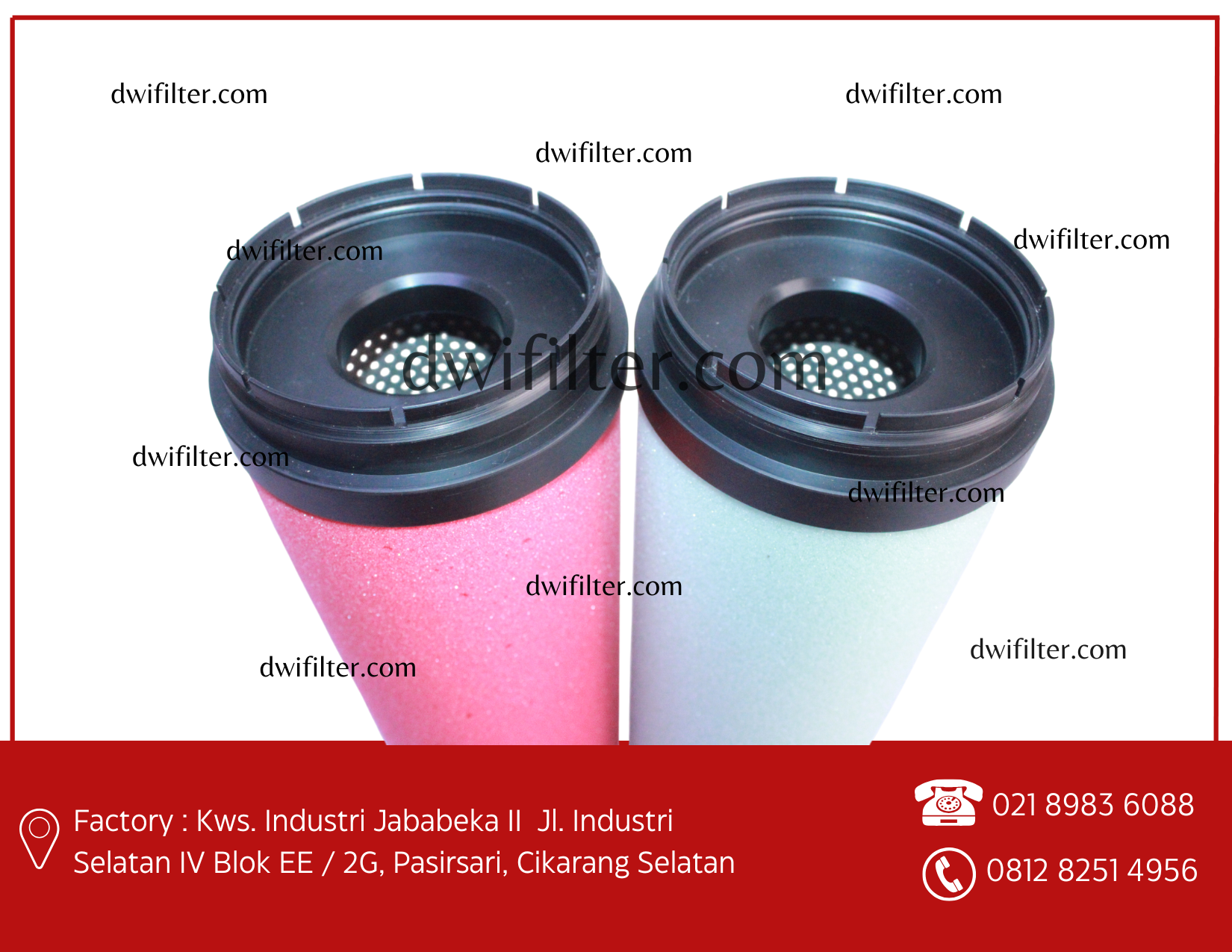
Description
Compressed air systems are the backbone of many industries, from manufacturing to automotive. However, the quality of the delivered air significantly impacts the efficiency and longevity of the equipment being operated. Contaminated air, particularly with water and solid particles, can cause corrosion, damage to pneumatic components, and reduce overall performance.
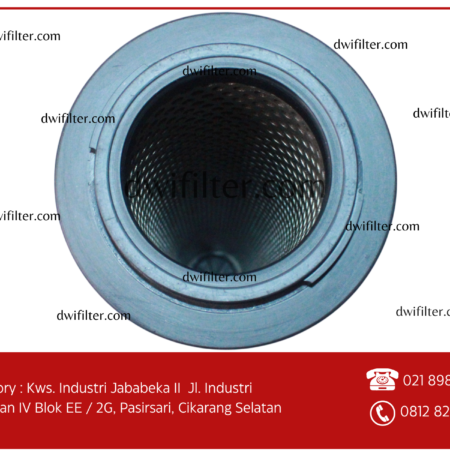
A Line Air Dryer Filter is a device designed to remove harmful contaminants from compressed air systems. Its primary benefits are improved air quality, which directly impacts:
✅Increased equipment life: The removal of moisture and abrasive particles minimizes corrosion and wear on pneumatic equipment, significantly extending its service life.
✅Increased efficiency: Clean air ensures optimal equipment performance, reducing the need for frequent maintenance and replacement.
✅Improved product quality: In certain applications, such as painting or food processing, clean air is essential to prevent contamination of the final product.
There are several different types of dry air path air filters available, each designed to handle a specific type of contaminant:
1. Particulate Filters: Remove solid particles such as dust, rust, and debris. Typically use filter media such as cloth, paper, or synthetic fibers.
2. Coalescence Filters: Designed to coalesce small water droplets into larger droplets for easy removal.
3. Adsorption Filters: Use adsorbent materials such as activated carbon to remove oil vapors, odors, and other chemical contaminants.
4. Air Dryers: While not filters in the traditional sense, air dryers significantly reduce the moisture content in compressed air through a cooling or absorption process. They are often used in conjunction with particulate and coalescence filters to achieve optimal air quality.
The applications of dry air line air filters are extensive, spanning a wide range of industries and applications, including:
✔Automotive Workshops: Protecting pneumatic equipment such as wrenches, grinders, and paint guns.
✔Manufacturing: Maintaining optimal performance of CNC machines, robotics, and other automation systems.
✔Food and Beverage Industry: Ensuring clean air for product processing and packaging.
✔Painting: Producing high-quality finishes by preventing paint contamination by water and oil.
Effective use tips include:
📌Proper filter selection: Choose a filter that matches the most common contaminants in your air system and the airflow rate.
📌Proper installation: Follow the manufacturer’s instructions for proper installation and ensure the filter is installed in a strategic location to maximize its effectiveness.
📌Routine maintenance: Clean or replace the filter element periodically according to the manufacturer’s recommendations. Check the condensate trap (if present) and ensure it is functioning properly.
Using a dry air line air filter is generally quite simple:
✔Install the filter in the compressed air line according to the manufacturer’s instructions. Ensure the air flow direction aligns with the arrow on the filter.
✔Turn on the compressed air system.
✔Check for leaks at the filter connections.
✔Monitor the filter’s condition regularly and perform any necessary maintenance.
In conclusion, a dry air line air filter is a critical investment to ensure optimal air quality in a compressed air system. By selecting the right type of filter, installing it correctly, and maintaining it, you can improve equipment efficiency, extend its lifespan, and enhance product quality. A good understanding of the benefits, types, applications, recommended uses, and how to use dry air line air filters will significantly contribute to operational success in a variety of industries.
Whatever your filter needs, please contact us to get the best solution.
PT.DWI FILTER JAYA
Factory: Jababeka Industrial Estate Phase 2 Block EE/2G Jl. South Industrial IV, Pasirsari Subdistrict
, South Cikarang District, Bekasi, West Java 17530
Whatsapp: 0812 8251 4956
Phone: (021) 8983 6088
E-Mail: Dwi.Filter@Ymail.Com / Info@Dwifilter.Com


Reviews
There are no reviews yet.